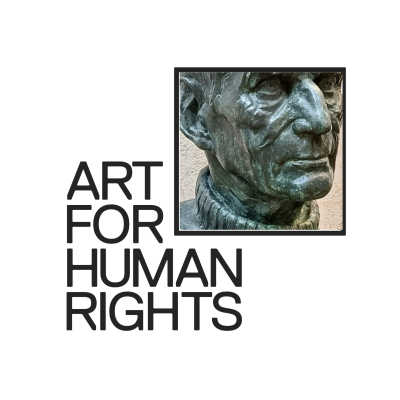
Irish playwright and novelist Samuel Beckett is best known for works like Waiting for Godot and Endgame, which strip human existence down to its rawest, most exposed state — waiting, suffering, and persisting against absurdity. Beyond his writing, Beckett risked his life as an active member of the French Resistance during World War II, work for which he was later awarded the Croix de Guerre.
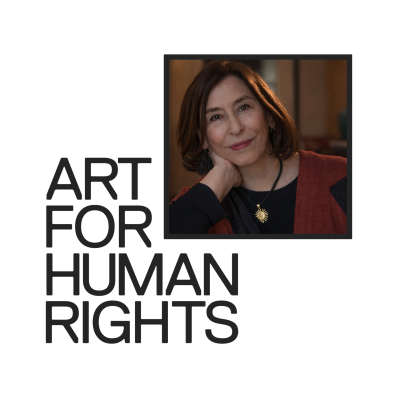
Azar Nafisi is an Iranian-American author and advocate who champions literature as a tool of resistance and freedom. Her acclaimed memoir Reading Lolita in Tehran (now a film) tells the story of secretly teaching banned Western classics to women in post-revolutionary Iran, showing how books can become acts of defiance under authoritarian rule.
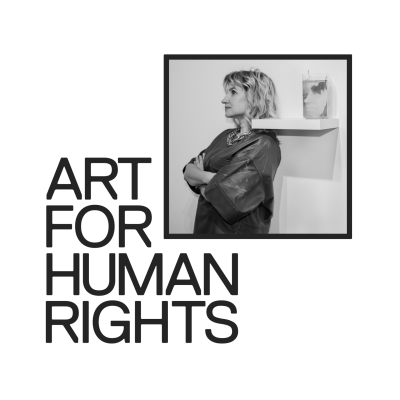
Maria Gvardeitseva bases her multidisciplinary practice around the themes of loss, pain, identity and feminism — creating performances, installations, sculpture and video-art. Maria has taken part in group and solo exhibitions, staged performances and was a finalist in the national selection to exhibit at the Belarusian Pavilion in the 59th Venice Biennale in 2022. But because the political plays a key role in her installations, the project got censored. At the end of the day, the Belarus pavilion never opened.
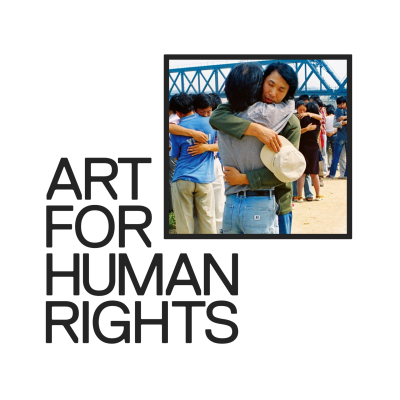
The Gao Brothers' provocative and deeply political work confronts themes of censorship, freedom, and collective memory in China. Through sculpture, photography, and performance, they challenge authority and provoke dialogue on social justice and human rights.
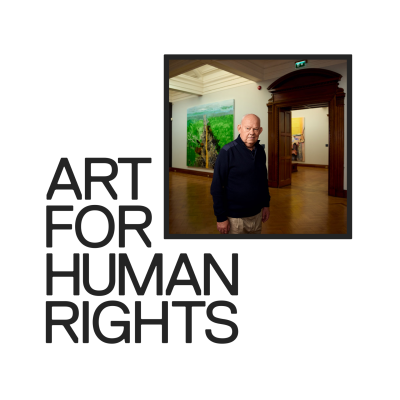
Irish artist Brian Maguire is known for his powerful works that confront global injustices and human rights issues. His latest documentary, The Life of Brian (Maguire), directed by Mark McLoughlin, offers an intimate look at his artistic process and activism, following his work with migrant communities, femicide victims, and those affected by systemic violence.